
Snowkiting: The Complete Guide to Getting Started, Choosing Your Gear and Finding the Best Spots
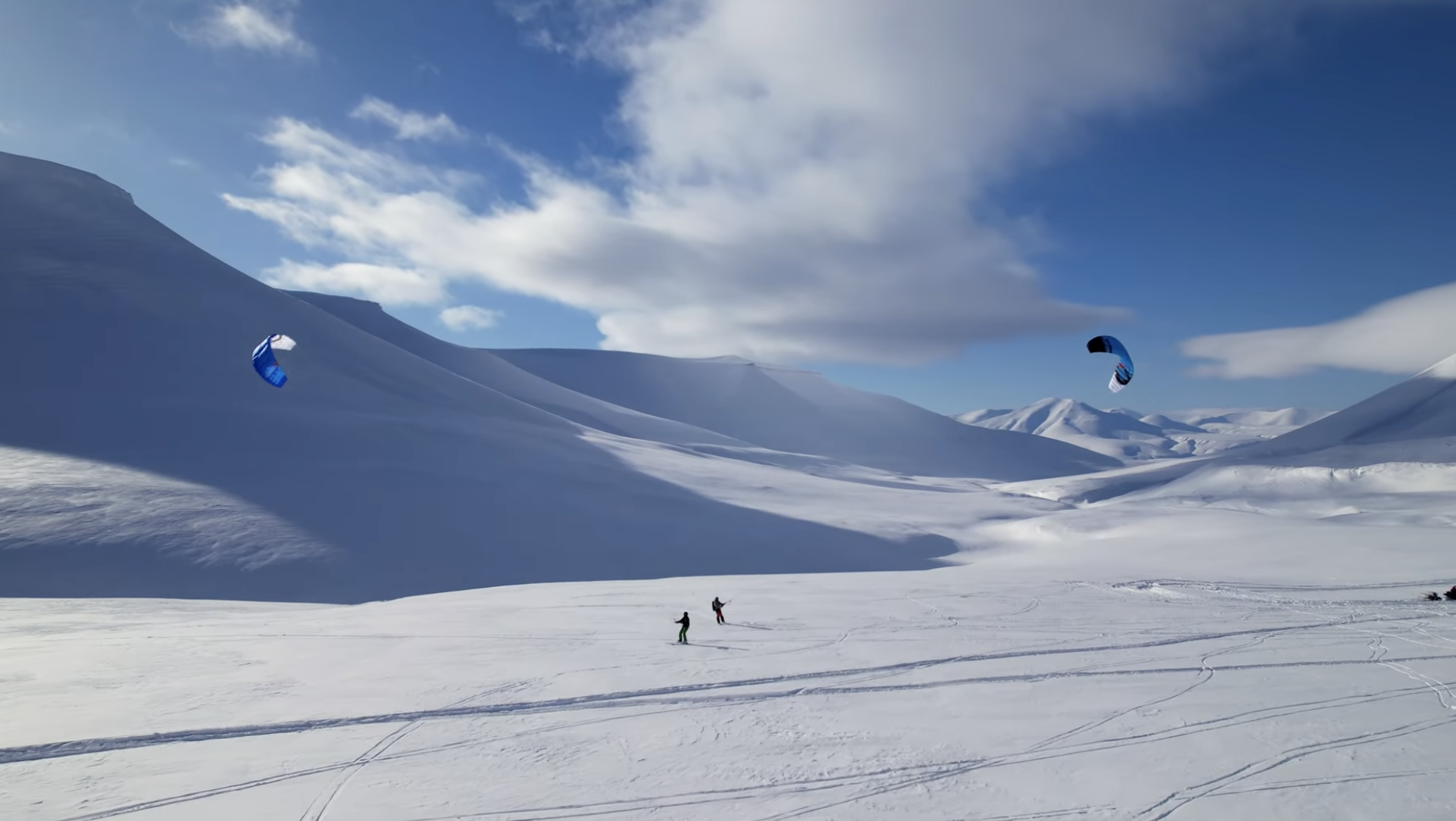
Imagine skiing across a vast snow-covered plateau with no ski lifts, no marked runs and no limit but the horizon. With a traction kite, the wind becomes your engine and turns the mountain into one giant playground. That is exactly what makes snowkiting so magical. Open to skiers and snowboarders alike, the sport lets you explore incredible landscapes, climb slopes without effort and taste a feeling of freedom that is hard to find in any other winter sport. Whether you are simply curious or already planning your first trip, this guide answers all the questions people ask before getting started.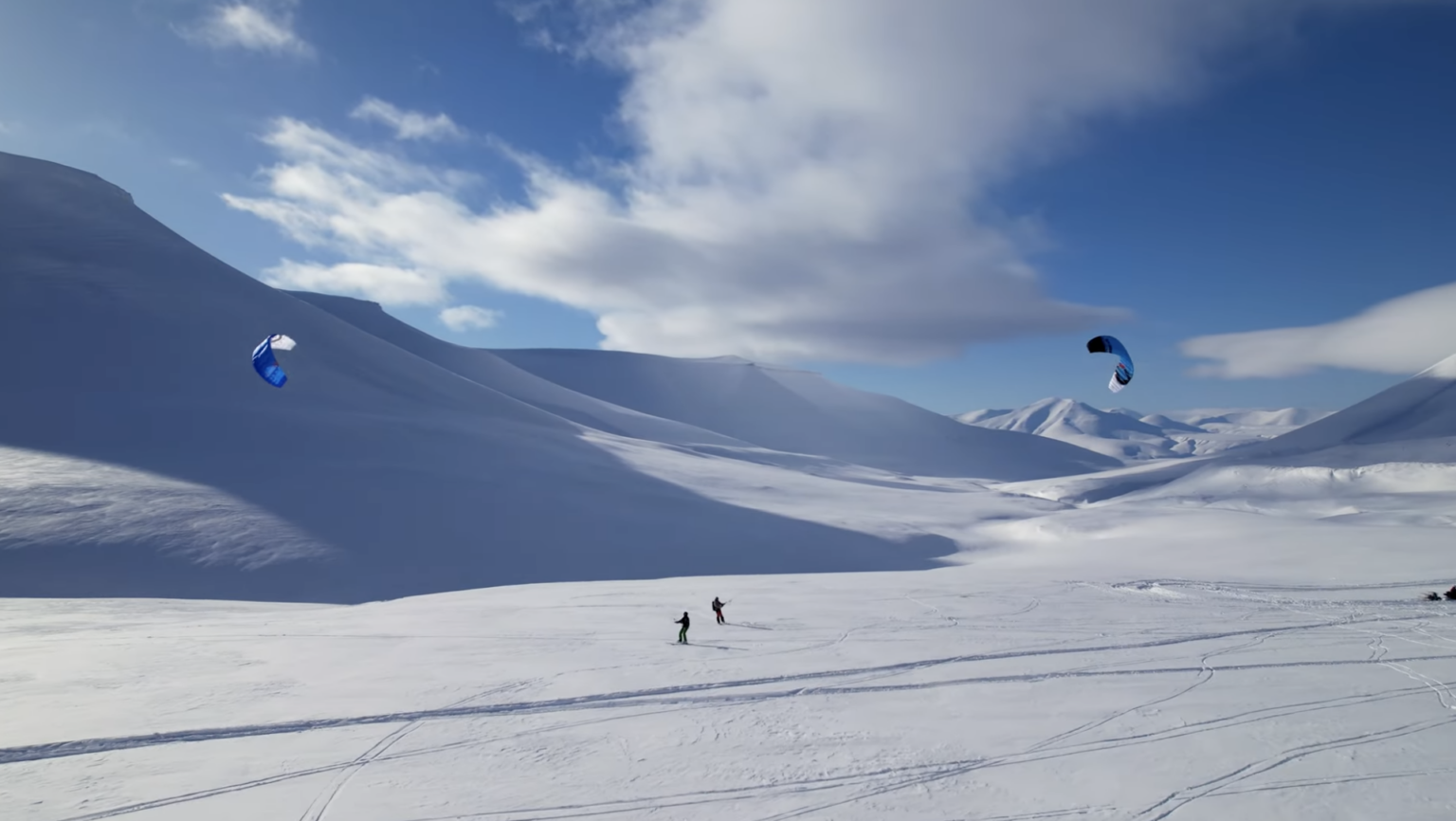
What is snowkiting?
Snowkiting means using a traction kite to travel over snow on skis or a snowboard. Unlike traditional skiing, you need no ski lifts and no long descents. The wind does the work. You will sometimes see the names “kite skiing” or “snow kiting”: these are loose readings of the name, and the official name remains snowkite, or snowkiting. It would be a bit like calling football “foot ball”. And the “snow” refers to snow, not to snowboarding: the sport is ridden on skis just as much as on a snowboard. Depending on the conditions, you can cover dozens of kilometres in a day, climb slopes, cross snowy plateaus or simply enjoy a cruise on a frozen lake. Snowkiting covers several styles:- freeride, to explore wide open spaces;
- touring, for multi-day trips in full autonomy;
- freestyle, with jumps and tricks;
- racing, from speed events to endurance and long-distance competitions.
Why try snowkiting?
Snowkiting is a completely different experience from resort skiing.- You are no longer confined to a ski area.
- You explore untouched terrain that is often unreachable any other way.
- Every day is different, because the wind draws new lines for you.
Is it easy to get started?
Yes, as long as you learn in the right conditions. If you already ski or snowboard, you have most of the basics. You will then learn to fly the kite, understand the wind window and manage your power. Solid skiing experience is strongly recommended. And if you have never kitesurfed, learning is entirely possible, the progression will simply take a little longer. Learning can actually be very fast: some complete kite novices become autonomous in just a few hours. And if you already kitesurf, a quick briefing on the slightly different gear is often all you need before riding. Your first hours should always be spent with a qualified instructor. A traction kite generates serious power and poor handling can quickly become dangerous. A good course teaches you the fundamentals fast, in a safe environment.What gear do you need to start?
One advantage of snowkiting is that you probably own part of the equipment already. To get started you will generally need:- a traction kite suited to your weight and the wind conditions;
- a bar and lines;
- a harness;
- a helmet;
- goggles or sunglasses;
- your usual skis or snowboard;
- technical clothing for winter conditions.
Is snowkiting dangerous?
Like every mountain sport, snowkiting carries risks that good preparation reduces dramatically. Before every session, always check:- the weather forecast;
- wind strength and direction;
- avalanche risk;
- the state of the snowpack;
- obstacles on the terrain.
The best snowkite spots
Your choice of spot has a huge impact on your progression.Col du Lautaret, France
Between Grenoble and Briançon, the Col du Lautaret is considered the reference spot in France. Its huge plateau, fairly steady wind and easy access make it the ideal place to discover the sport or progress quickly. The season generally runs from December to April.Hardangervidda, Norway
The Hardangervidda is Europe’s largest mountain plateau. The route possibilities are almost endless. It is one of the world’s most famous places for snowkite expeditions, thanks to its steady winds and spectacular landscapes.Finnish Lapland
With its immense frozen lakes, snowy forests and northern lights, Lapland is an ideal destination for a first trip. The wide open spaces let you progress with total peace of mind while discovering one of the most beautiful winter environments on the planet.Svalbard
For adventure lovers, it does not get more spectacular. Between glaciers, sea ice and Arctic mountains, Svalbard offers an experience unlike anywhere else on Earth. It is a destination reserved for riders looking for a true polar expedition.Other renowned spots
Sweden, Switzerland, Bulgaria and parts of Iceland also offer excellent conditions when snow and wind line up.When is the best time to go?
The season depends on the destination.- The Alps generally offer good conditions from December to April.
- In Scandinavia, we go in February and March only: the sweet spot to avoid the deep-winter cold and enjoy optimal daylight.
- Svalbard is an April trip, when the light has returned and the snow cover is still exceptional.
Why travel with Snowkite Sensation?
A snowkite trip is not something you improvise. For years, Snowkite Sensation has been organising trips dedicated exclusively to snowkiting in the world’s most beautiful destinations. Every spot is selected for its wind quality, terrain safety and how well it helps you progress. Whether you want to discover the sport, sharpen your technique or live a true expedition in the far North, you ride with guides who know every destination inside out. And because snowkiting remains a wind-dependent sport, every trip is built so you are never left idle: alongside the kiting, we plan the cultural side of the journey and extra activities to make the most of every day, wind or no wind. You save time, progress faster and enjoy your trip fully without handling any of the logistics.Ready to discover snowkiting?
Snowkiting is much more than a board sport. It is a new way to explore the mountains, to travel and to enjoy winter. If you dream of wide open spaces, freedom and adventure, all that is left is to choose your next destination and let the wind carry you.Further reading
If you want more information about using the kitesurf gear you already own, you can read our article Can You Use Kitesurf Gear for Snowkiting?
If you want more information about choosing the right kite size, you can read our article What Size Kite for Snowkiting?
If you want more information about the real level of risk in the sport, you can read our article Is Snowkiting Dangerous?
July 10, 2026
CATEGORY: Uncategorized
No Comments